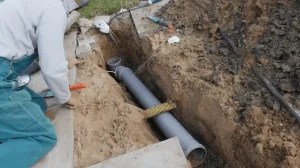
Modern sewer solutions have transformed the approach to preventing sewer line backups. Advanced technologies, such as video inspection and hydro jetting, offer precise assessments and effective block removal. Additionally, trenchless methods facilitate repairs with minimal disruption.
Smart sensors provide continuous monitoring, allowing for early detection of potential issues. These innovations raise essential questions about their effectiveness and the role of regular maintenance in safeguarding infrastructure, prompting further exploration of thorough strategies.
Key Takeaways
- Video inspection systems allow for real-time assessments, identifying potential blockages before they escalate into serious issues.
- Hydro jetting effectively clears grease and debris, maintaining smooth wastewater flow and preventing backups.
- Trenchless technology enables repairs with minimal disruption, ensuring quick and efficient restoration of sewer functionality.
- Smart sensors monitor flow patterns, detecting issues early to avert major backups and costly repairs.
- Regular maintenance through preventive software scheduling helps homeowners stay proactive and compliant with sewer system standards.
Understanding Sewer Line Backups: Causes and Solutions
What factors contribute to sewer line backups, and how can they be effectively addressed? Sewer line backups typically arise from blockages caused by foreign objects, grease accumulation, tree root intrusion, or structural damage. These issues impede the flow of wastewater, leading to overflow and potential property damage. Preventing sewer line backups requires a multifaceted approach. Regular inspections and maintenance can identify vulnerabilities before they escalate. Homeowners are encouraged to avoid flushing non-biodegradable items and to monitor their plumbing for signs of distress. Additionally, installing backflow prevention devices can further protect against unexpected surges. By proactively addressing these factors, individuals can create a safer, more functional environment, ensuring their plumbing systems operate smoothly and efficiently for the long term.
Modern Technology for Sewer Line Maintenance
Sewer line maintenance has evolved considerably, incorporating modern technology to enhance efficiency and effectiveness. These advancements not only improve operational reliability but also play an essential role in preventing sewer line backups. Key technologies include:
- Video Inspection Systems: Allowing for real-time assessment of pipe conditions.
- Hydro Jetting: Utilizing high-pressure water to clear blockages and debris.
- Trenchless Technology: Minimizing excavation while repairing or replacing pipes.
- Smart Sensors: Monitoring flow and detecting issues before they escalate.
- Preventive Maintenance Software: Streamlining scheduling and tracking of maintenance activities.
Together, these technologies provide municipalities and property owners with the tools necessary for proactive sewer line management, thereby greatly mitigating the risk of sewer line backups.
Practical Solutions for Preventing Sewer Line Backups
How can municipalities and property owners effectively implement practical solutions for preventing sewer line backups? One effective approach involves the installation of backwater valves, which prevent sewage from flowing back into properties during heavy rain or system overloads. Additionally, regular maintenance of sewer lines through cleaning and hydro jetting guarantees the removal of blockages caused by debris or tree roots. Moreover, public education initiatives can raise awareness about proper waste disposal, reducing the likelihood of clogs from inappropriate items. Implementing green infrastructure, such as permeable pavements and rain gardens, can also mitigate stormwater runoff, thereby decreasing the burden on sewer systems. Collectively, these strategies provide a thorough framework for preventing sewer line backups and fostering community resilience.
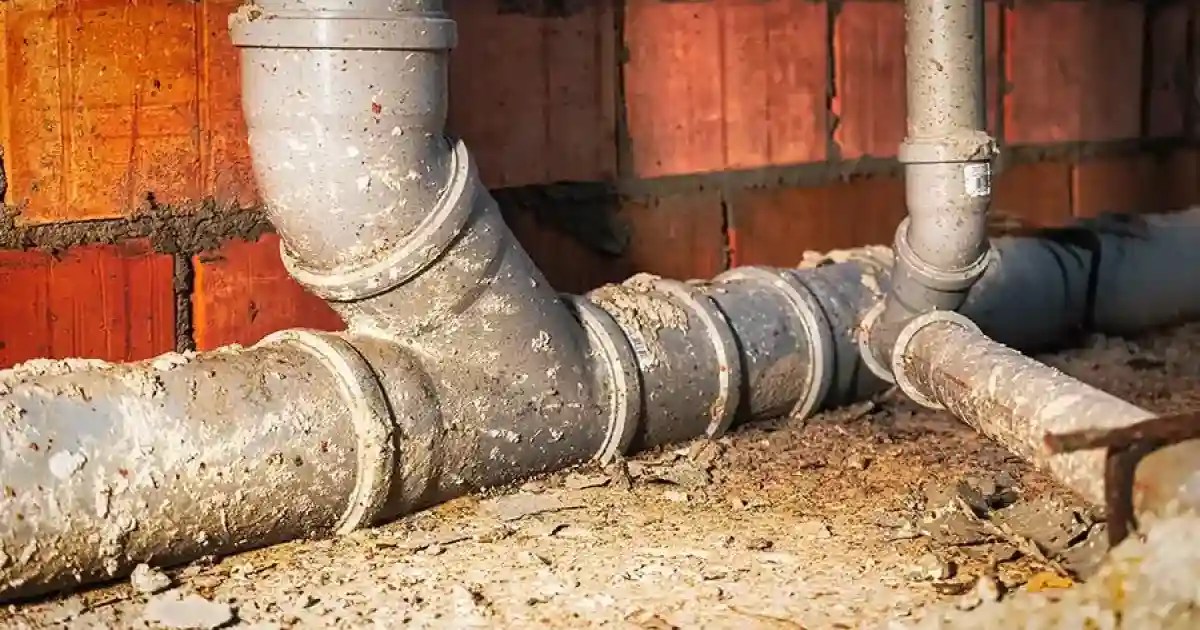
Why Regular Inspections Matter for Preventing Sewer Line Backups?
Why are regular inspections essential for preventing sewer line backups? These evaluations are critical in identifying potential issues before they escalate into considerable problems. By conducting routine inspections, property owners can guarantee their sewer systems function at peak efficiency. Key benefits include:
- Early Detection: Identifying blockages or cracks before they worsen.
- Maintenance Planning: Scheduling repairs and maintenance before emergencies arise.
- Cost Savings: Avoiding expensive repairs associated with severe backups.
- Environmental Protection: Preventing harmful sewage spills that can impact surrounding areas.
- Compliance Assurance: Meeting local regulations and standards for sewer systems.
Regular inspections foster a proactive approach, ultimately contributing to the longevity and reliability of sewer systems, thereby greatly aiding in preventing sewer line backups.
Homeowner Tips for Effectively Preventing Sewer Line Backups
Homeowners can implement several effective strategies to minimize the risk of sewer line backups. Regular maintenance, including the professional cleaning of sewer lines, can prevent the accumulation of debris and grease. Additionally, homeowners should avoid flushing non-biodegradable items, such as wipes and feminine hygiene products, which can obstruct pipes. Installing strainers in sinks and bathtubs also helps capture hair and food particles, mitigating potential blockages. Moreover, it is advisable to monitor tree roots, as they can infiltrate sewer lines, causing considerable damage. Employing a backwater valve can provide an additional layer of protection against external flooding. By adopting these proactive measures, homeowners can greatly enhance their efforts in preventing sewer line backups, fostering a sense of community responsibility and safety.
Frequently Asked Questions
How Do Tree Roots Affect Sewer Line Backups?
Tree roots can infiltrate sewer lines, causing blockages and backups. Their growth often seeks moisture, leading to structural damage and reduced flow capacity, ultimately necessitating costly repairs while complicating the prevention of sewer line backups.
What Signs Indicate a Potential Sewer Line Backup?
Signs indicating a potential sewer line backup include slow drains, gurgling sounds, frequent clogs, water pooling around cleanouts, and sewage odors. Recognizing these symptoms early can greatly aid in preventing sewer line backups.
Can Weather Influence Sewer Line Backups?
Weather greatly influences sewer line backups, as heavy rainfall or melting snow can overwhelm systems, leading to increased water levels. Additionally, freeze-thaw cycles can cause ground movement, potentially damaging pipes and exacerbating backup risks.
Are Sewer Line Backups Covered by Homeowners Insurance?
Sewer line backups are typically not covered by standard homeowners insurance policies. Homeowners may need additional coverage or endorsements to protect against costs associated with preventing sewer line backups and related damages.
What Should I Do During a Sewer Line Backup?
During a sewer line backup, individuals should immediately cease water usage, identify the source, and contact a licensed plumber. Prompt action can mitigate damage and facilitate efficient resolution, essential for maintaining home integrity and comfort.
Conclusion
To sum up, modern sewer solutions leverage advanced technologies and proactive maintenance to effectively mitigate the risk of sewer line backups. By employing video inspection, hydro jetting, and trenchless repair methods, municipalities and homeowners can address potential issues before they escalate. Additionally, the integration of smart sensors facilitates real-time monitoring, ensuring early detection of anomalies. Regular inspections, coupled with public education, are essential for maintaining peak sewer system function, ultimately safeguarding both infrastructure and the environment.
You May Also Like To Read: